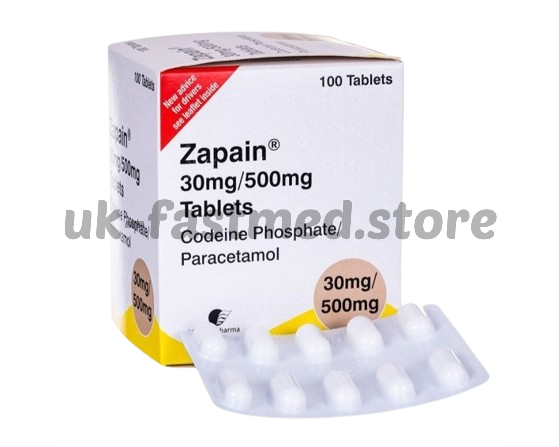
Zapain 30mg/500mg Tablets: Strong Pain Relief UK Guide
Zapain 30mg/500mg Tablets contain 30mg of codeine phosphate and 500mg of paracetamol in each tablet. They are prescription-only medication supplied by ADVANZ Pharma and are indicated for the relief of severe pain. Codeine is also indicated in patients over 12 years of age for acute moderate pain that is not adequately relieved by other analgesics such as paracetamol or ibuprofen alone.
Zapain combines an opioid analgesic with paracetamol to provide pain relief when a stronger analgesic option is clinically appropriate. Because codeine can cause drowsiness, respiratory depression, tolerance and dependence, and excessive paracetamol can cause serious or potentially fatal liver damage, treatment should be taken exactly as prescribed and for the shortest appropriate duration.
What Is Zapain 30mg/500mg Used For?
- Severe Pain: Zapain is indicated for the relief of severe pain when combination treatment with codeine and paracetamol is considered appropriate.
- Acute Moderate Pain: In patients over 12 years of age, codeine is indicated for acute moderate pain that has not been adequately relieved by other analgesics such as paracetamol or ibuprofen alone.
- Short-Term Pain Relief: Zapain is intended for short-term treatment. Codeine should be used at the lowest effective dose for the shortest appropriate period, with treatment generally limited to 3 days.
- Pain Requiring Opioid Analgesia: The combination provides analgesic effects from both codeine and paracetamol and may be prescribed when non-opioid analgesics alone have not provided sufficient relief.
How Does Zapain 30mg/500mg Work?
Zapain contains two analgesic ingredients with different actions. Codeine is a centrally acting opioid analgesic that produces pain-relieving effects partly through its conversion to morphine. The degree to which codeine is converted to morphine varies between individuals, which is one reason opioid-related adverse effects can differ between patients. Paracetamol also provides analgesic and antipyretic effects through mechanisms that differ from those of codeine. Combining the two active ingredients allows both to contribute to pain relief. The medication should only be used at the prescribed dose because increasing the amount of either ingredient can increase the risk of serious adverse effects.
How to Take Zapain 30mg/500mg
- Follow Your Prescription: Take Zapain exactly as prescribed and do not take more tablets or take them more frequently than directed.
- Adult Dose: The usual adult dose is one or two tablets every four to six hours when required, up to a maximum of 8 tablets in any 24-hour period. Doses should be separated appropriately and the maximum daily dose must not be exceeded.
- Children Aged 12–15 Years: The recommended dose is one tablet every 6 hours when necessary, up to a maximum of 4 tablets in 24 hours. Zapain must not be used in children under 12 years.
- Young People Aged 16–18 Years: The recommended dose is one or two tablets every 6 hours when necessary, up to a maximum of 8 tablets in 24 hours.
- Treatment Duration: Codeine should be used at the lowest effective dose for the shortest possible period. Zapain treatment should be limited to 3 days. If effective pain relief has not been achieved after this period, seek medical advice rather than increasing the dose.
- Administration: Take the tablets orally with water according to the prescribed instructions. Do not take any additional medication containing paracetamol unless a healthcare professional has specifically advised you to do so.
- Do Not Exceed the Maximum Dose: Taking more than the recommended amount increases the risk of codeine toxicity and serious paracetamol-related liver damage. Seek urgent medical advice after an overdose even if you feel well because liver damage can be delayed.
Zapain 30mg/500mg Side Effects
Like all medication, Zapain can cause side effects, although not everyone experiences them. Codeine may cause opioid-related effects such as drowsiness, dizziness, nausea, vomiting and constipation, while serious reactions can include respiratory depression and severe allergic reactions.
- Nausea
- Vomiting
- Headache
- Dizziness
- Dry mouth
- Confusion
- Skin rash
- Drowsiness
- Constipation
- Low blood pressure
- Difficulty breathing
- Abdominal discomfort
Codeine can cause dependence and tolerance, particularly with repeated or prolonged use. Taking more than the recommended dose of Zapain can also cause serious paracetamol poisoning, which may result in severe liver damage even when a person initially feels well.
Important Warnings and Precautions
- Addiction and Dependence: Codeine is an opioid and can cause addiction, tolerance and physical dependence. It should be used at the lowest effective dose for the shortest appropriate duration. Before treatment begins, the risks of dependence and a plan for ending treatment should be discussed where appropriate.
- Paracetamol Overdose: Never take Zapain with other paracetamol-containing products unless specifically instructed by a healthcare professional. Too much paracetamol can cause delayed and potentially fatal liver damage. Seek urgent medical advice after taking more than the recommended dose, even if you feel well.
- Breathing Problems: Codeine can cause respiratory depression. Zapain is contraindicated in certain patients with respiratory depression, acute asthma or obstructive airway disease and must not be given to children under 12 because of the risk of serious breathing problems.
- Alcohol and Sedatives: Alcohol and other medicines that cause drowsiness can increase the sedative and respiratory-depressant effects of codeine. Tell your doctor or pharmacist about all medication you take before using Zapain.
- Liver and Kidney Problems: Zapain is contraindicated in moderate-to-severe renal or hepatic impairment. Tell your doctor if you have liver or kidney problems before treatment.
- Breastfeeding: Zapain is contraindicated during breastfeeding because codeine can be converted to morphine and may expose the breastfed infant to potentially serious opioid effects.
- Children and Adolescents: Codeine must not be used in children under 12 years because metabolism of codeine to morphine is unpredictable and can result in opioid toxicity. Codeine is also contraindicated in children and adolescents undergoing tonsillectomy or adenoidectomy for obstructive sleep apnoea because of the risk of serious and potentially life-threatening adverse reactions.
- Driving and Alertness: Zapain can cause drowsiness, dizziness and impaired mental or physical abilities. Do not drive, cycle or operate machinery if you are affected by the medication.
Stopping Zapain Treatment
Zapain should generally only be used for a short period, with treatment limited to 3 days unless a healthcare professional advises otherwise. Repeated or prolonged use of codeine can cause dependence and withdrawal symptoms. If opioid treatment has continued beyond the intended short-term period, speak with your doctor before stopping so that discontinuation can be managed appropriately.
Frequently Asked Questions
How long can I take Zapain 30mg/500mg?
Zapain should generally be used for no more than 3 days. If your pain has not improved after 3 days, contact a doctor rather than continuing treatment or increasing the dose yourself.
Can I take Zapain with paracetamol?
No. Each Zapain tablet already contains 500mg of paracetamol. Taking additional paracetamol-containing products can result in an overdose and serious liver damage. Always check the ingredients of other medication before taking it with Zapain.
Can Zapain make me sleepy?
Yes. Codeine can cause drowsiness, dizziness and reduced alertness. Avoid driving or operating machinery if you experience these effects, and be particularly cautious when taking Zapain with alcohol or other sedating medication.
Is Zapain addictive?
Yes. Zapain contains codeine, an opioid that can cause tolerance, dependence and addiction, particularly when taken repeatedly or for longer than recommended. Using the lowest effective dose for the shortest possible period helps reduce this risk.
What happens if I take too much Zapain?
Taking too much Zapain can cause serious codeine toxicity and potentially life-threatening paracetamol poisoning. Paracetamol-related liver damage can develop after a delay, so you should seek urgent medical advice after an overdose even if you feel completely well.
Can I drink alcohol while taking Zapain?
It is best to avoid alcohol while taking Zapain. Alcohol can increase the sedative and respiratory-depressant effects of codeine and may increase the risk of serious adverse effects. Speak with a doctor or pharmacist if you are unsure about alcohol or other medication during treatment.