
£89.99
Pack Size: 84-Capsule Pack
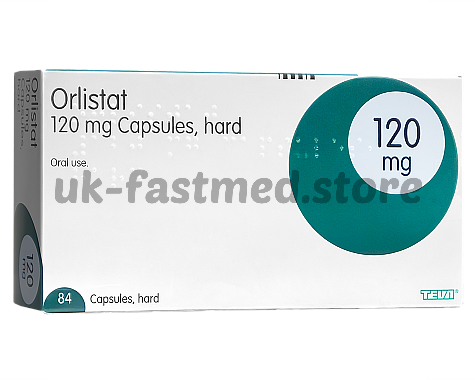
Teva Orlistat 120mg Capsules contain 120mg of orlistat, a prescription weight-management medication used alongside a mildly hypocaloric diet and appropriate lifestyle measures for eligible adults with obesity or overweight with associated risk factors. Orlistat works mainly within the gastrointestinal tract by inhibiting gastric and pancreatic lipases, reducing the digestion and absorption of dietary fat.
Orlistat is intended to form part of a structured weight-management programme rather than replace dietary and lifestyle measures. Its effectiveness depends partly on following the recommended lower-fat diet, while treatment should be reviewed regularly to assess weight loss, tolerability and continued suitability.
Orlistat is a gastrointestinal lipase inhibitor. It acts within the stomach and small intestine by binding to and inhibiting gastric and pancreatic lipases. These enzymes normally break down dietary triglycerides into fatty acids and monoglycerides that can be absorbed. By reducing this process, orlistat causes a proportion of dietary fat to pass through the digestive system without being absorbed. Because its action depends on dietary fat, gastrointestinal effects are more likely when meals contain excessive amounts of fat. Following the recommended mildly hypocaloric diet can therefore improve tolerability as well as supporting weight loss.
Orlistat most commonly causes gastrointestinal side effects because unabsorbed dietary fat passes through the digestive tract. Following the recommended lower-fat diet can reduce the likelihood and severity of these effects.
Some side effects are uncommon or rare but require medical attention. Severe persistent abdominal pain may indicate pancreatitis, while swelling of the throat or tongue or difficulty breathing may indicate a serious allergic reaction.
Orlistat does not normally require gradual dose reduction when treatment is stopped. However, stopping treatment should be considered as part of the overall weight-management plan, particularly if the required weight-loss response has not been achieved. Continuing a balanced diet, appropriate calorie control and regular physical activity can help maintain weight loss after treatment.
Orlistat 120mg is used alongside a mildly hypocaloric diet for eligible adults with obesity or adults who are overweight with associated weight-related risk factors. It reduces the absorption of dietary fat in the digestive system.
The usual dose is one 120mg capsule immediately before, during or up to one hour after each main meal containing fat. If you skip a meal or the meal contains no fat, the dose should be omitted.
A high-fat meal can increase gastrointestinal side effects such as oily stools, urgency, flatulence with discharge and diarrhoea. Following the recommended lower-fat diet can make treatment easier to tolerate.
Treatment should be reviewed after 12 weeks. If you have not lost at least 5% of your starting body weight, your prescriber should reassess whether continuing Orlistat is appropriate.
Yes. Orlistat can reduce absorption of fat-soluble vitamins A, D, E and K. Your healthcare professional may recommend a multivitamin supplement, usually taken at least two hours after Orlistat or at bedtime.
Orlistat can interact with or affect the absorption of several medicines, including warfarin, ciclosporin, some antiepileptic medicines, HIV medicines, amiodarone and levothyroxine. Always tell your doctor or pharmacist about your current medications before starting treatment.
This content is provided for informational purposes only and does not constitute medical advice. These medications are prescription-only medicines (POM) in the UK and should only be used under the guidance and supervision of a qualified healthcare professional.