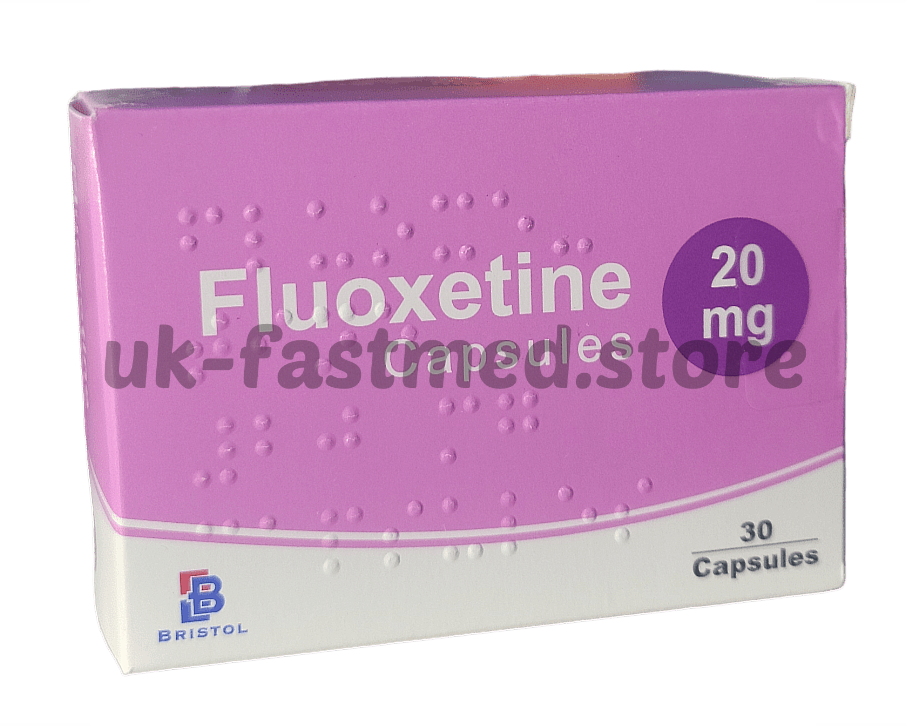
Bristol Fluoxetine 20mg Capsules: Strong Depression & Anxiety Treatment UK Guide
Bristol Fluoxetine 20 mg Capsules contain 20 mg of fluoxetine as fluoxetine hydrochloride, a selective serotonin reuptake inhibitor (SSRI) antidepressant. Fluoxetine is used to treat major depressive episodes, obsessive-compulsive disorder (OCD) and bulimia nervosa in adults. It may also be used under specialist supervision for moderate to severe major depressive episodes in children and adolescents aged 8 years and above when depression has not responded adequately to psychological therapy.
Fluoxetine works primarily by selectively inhibiting the reuptake of serotonin in the brain, increasing serotonin availability within the central nervous system. Treatment should be taken regularly as prescribed, with the dose and duration reviewed according to the condition being treated, individual response, age, medical history and other medications being taken.
What Is Fluoxetine 20 mg Used For?
Fluoxetine is used for several established mental health conditions. UK product information includes the following indications:
- Major Depressive Episodes: Used to treat depressive illness and help manage persistent symptoms associated with major depression. In adults, 20 mg once daily is the usual recommended starting dose.
- Obsessive-Compulsive Disorder: Used to treat OCD, helping reduce persistent intrusive thoughts and repetitive or compulsive behaviours.
- Bulimia Nervosa: Fluoxetine is indicated in adults as an adjunct to psychotherapy to help reduce binge-eating and purging activity.
- Depression in Younger People: In children and adolescents aged 8 years and above, fluoxetine may be prescribed for moderate to severe major depressive episodes when psychological therapy has not produced an adequate response. Treatment should be initiated and monitored under specialist supervision.
- Ongoing Treatment: Fluoxetine may be continued after symptoms improve when clinically appropriate. For depression, UK product information recommends treatment for a sufficient period, generally at least 6 months, to help ensure that the patient remains free from symptoms.
How Does Fluoxetine Work?
Fluoxetine is an SSRI antidepressant that selectively inhibits the reuptake of serotonin in the brain. This increases the availability of serotonin within the central nervous system and contributes to its antidepressant effects.
Fluoxetine does not usually provide immediate relief from depressive or obsessive-compulsive symptoms. Improvement can take several weeks, so it should be taken consistently according to the prescribed schedule rather than used occasionally.
How to Take Fluoxetine 20 mg Capsules
- Follow Your Prescription: Take fluoxetine exactly as directed by your doctor or pharmacist. Do not change the dose or treatment schedule without medical advice.
- Once-Daily Treatment: Fluoxetine is usually taken once a day. Taking it at approximately the same time each day can help maintain a consistent treatment routine.
- Administration: Swallow the capsule whole with water. Fluoxetine can be taken with or without food.
- Depression: For adults and older adults with major depressive episodes, the recommended dose is generally 20 mg once daily. Depending on response, a healthcare professional may gradually adjust the dose, up to a maximum of 60 mg daily where appropriate.
- OCD: The recommended adult dose is generally 20 mg daily. If the response is insufficient, the dose may be gradually increased by the prescriber, up to a maximum of 60 mg daily.
- Bulimia Nervosa: The recommended adult dose is 60 mg daily. This is different from the usual 20 mg dose used for depression and OCD and should only be taken when specifically prescribed.
- Children and Adolescents: For moderate to severe depression in patients aged 8 years and above, treatment should begin under specialist supervision, generally with a lower starting dose before an increase to 20 mg daily where appropriate.
- Treatment Response: Fluoxetine may take several weeks before symptoms begin to improve. Continue taking it as prescribed unless your healthcare professional advises otherwise.
- Missed Dose: If you forget a dose, take it when you remember unless it is nearly time for the next dose. If the next dose is due soon, skip the missed dose and continue with your normal schedule. Do not take two doses together.
Fluoxetine 20 mg Side Effects
Like all medications, fluoxetine can cause side effects, although not everyone experiences them. Commonly reported effects can include:
- Fatigue
- Headache
- Blurred vision
- Sexual problems
- Difficulty sleeping
- Increased sweating
- Nausea or vomiting
- Anxiety or nervousness
- Dizziness or drowsiness
- Diarrhoea or constipation
- Changes in appetite or weight
Some side effects may become less noticeable as the body adjusts to treatment. However, persistent or troublesome symptoms should be discussed with a healthcare professional.
Serious reactions are uncommon but can include serotonin syndrome, severe allergic reactions, unusual bleeding, significant mood changes or suicidal thoughts. Seek urgent medical advice if serious or rapidly worsening symptoms occur.
Important Warnings and Precautions
Fluoxetine is not suitable for everyone. Tell your doctor or pharmacist about your medical history and all medications you are taking before starting treatment.
- MAOIs: Fluoxetine must not be taken with certain monoamine oxidase inhibitors (MAOIs) because serious interactions can occur. Appropriate treatment intervals are required when switching between fluoxetine and particular MAOIs.
- Other Medications: Tell your doctor or pharmacist about all prescription medications, over-the-counter medications, herbal remedies, vitamins and supplements you take. Important interactions can occur with medications such as certain antidepressants, anticoagulants, NSAIDs, some heart medications and opioids.
- St John’s Wort: Do not take St John’s wort preparations with fluoxetine because of the risk of interactions and increased adverse effects.
- Mental Health Symptoms: Antidepressant treatment requires monitoring for significant changes in mood or behaviour, particularly when treatment is started or the dose is changed. Thoughts of self-harm or suicide require urgent medical attention.
- Mania or Bipolar Disorder: Tell your doctor if you have previously experienced mania or bipolar disorder. Fluoxetine may not be appropriate for everyone with these conditions.
- Liver Problems: People with hepatic impairment may require a lower or less frequent dose because fluoxetine is processed more slowly.
- Driving and Alertness: Fluoxetine may cause dizziness, drowsiness, blurred vision or other effects that can affect concentration. Do not drive or operate machinery until you know how the medication affects you.
- Pregnancy and Breastfeeding: Tell your doctor if you are pregnant, planning a pregnancy or breastfeeding. Fluoxetine may be used in pregnancy when clinically appropriate, but the benefits and potential risks should be assessed by a healthcare professional.
- Alcohol: It is generally best to avoid alcohol while taking fluoxetine because it may increase the risk of side effects such as drowsiness.
Stopping Fluoxetine Treatment
Do not stop taking fluoxetine suddenly without medical advice. Although fluoxetine remains in the body for a relatively long time and withdrawal symptoms may be less common than with some other antidepressants, discontinuation symptoms can still occur. UK product information recommends gradually reducing the dose when stopping treatment, generally over at least one to two weeks, while individual circumstances may require a different approach.
If troublesome withdrawal symptoms occur after reducing the dose or stopping treatment, contact your healthcare professional. Do not restart, increase or reduce the medication independently.
Frequently Asked Questions
Does Fluoxetine 20 mg make you sleepy?
Fluoxetine can cause dizziness or drowsiness in some people, although others may experience difficulty sleeping or increased nervousness. Avoid driving or operating machinery until you know how fluoxetine affects you.
How long does Fluoxetine 20 mg take to work?
Fluoxetine does not usually produce its full antidepressant effect immediately. Symptoms may begin to improve after several weeks, and the time required can vary depending on the condition being treated and the individual response. Continue taking the medication as prescribed unless your healthcare professional advises otherwise.
What happens if I miss a dose of Fluoxetine?
Take the missed dose when you remember unless it is nearly time for your next dose. If the next dose is due soon, skip the missed dose and continue with your usual schedule. Do not take two doses together to make up for a missed dose.
Can I stop taking Fluoxetine 20 mg suddenly?
You should not stop fluoxetine suddenly without medical advice. Your healthcare professional can advise whether the dose should be reduced gradually and how quickly treatment should be discontinued.
How much Fluoxetine 20 mg should I take?
The appropriate dose depends on the condition being treated and individual factors. For adults with depression or OCD, 20 mg once daily is generally the recommended dose, although the dose may be adjusted when necessary. Bulimia nervosa has a recommended adult dose of 60 mg daily, while children and adolescents require specialist assessment and different starting doses. Do not change your dose without medical advice.
Can I drink alcohol while taking Fluoxetine 20 mg?
It is best to avoid alcohol while taking fluoxetine because alcohol can increase the risk of side effects such as drowsiness. If you are unsure whether alcohol is appropriate with your treatment, ask your doctor or pharmacist.