
£39.99
Pack Size: 21-Capsule Pack
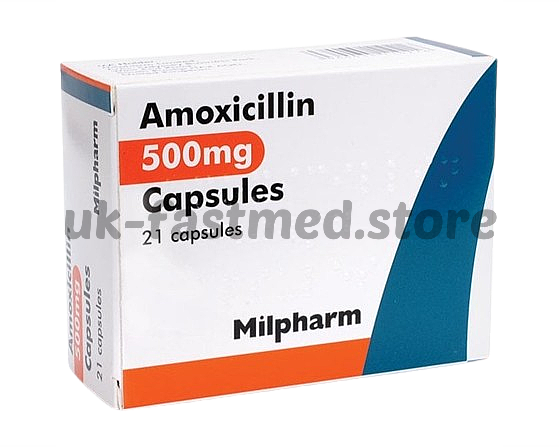
Milpharm Amoxicillin 500 mg Capsules contain 500 mg of amoxicillin as amoxicillin trihydrate. Amoxicillin is a penicillin-type antibiotic used to treat a range of susceptible bacterial infections, including acute bacterial sinusitis, tonsillitis and pharyngitis, community-acquired pneumonia, acute otitis media, cystitis and pyelonephritis. The product is a prescription-only medication supplied in the UK by Aurobindo Pharma – Milpharm Ltd.
Amoxicillin works by interfering with bacterial cell-wall formation, helping to eliminate susceptible bacteria. The appropriate dose and treatment duration depend on the type and severity of infection, the patient’s age and weight, kidney function and the susceptibility of the bacteria. Antibiotics should only be used when clinically indicated and should be taken exactly as prescribed.
Amoxicillin 500 mg Capsules are used to treat susceptible bacterial infections in adults and children when appropriate. UK product information includes several indications:
Amoxicillin is a penicillin-type antibiotic that interferes with the formation of bacterial cell walls. This weakens susceptible bacteria and contributes to their destruction. It is therefore used to treat infections caused by bacteria that are sensitive to amoxicillin.
Amoxicillin is not effective against viral infections such as most colds and flu. The choice of antibiotic should take into account the likely bacteria causing the infection and their susceptibility to antibacterial treatment.
Like all medications, amoxicillin can cause side effects, although not everyone experiences them. Commonly reported effects can include:
Most common side effects are mild, but persistent or troublesome symptoms should be discussed with a healthcare professional. Severe or prolonged diarrhoea, particularly if it contains blood or mucus, requires prompt medical attention because antibiotic treatment can occasionally be associated with serious bowel inflammation. Serious allergic reactions can also occur. Seek urgent medical attention if symptoms such as swelling of the face or throat, difficulty breathing or a severe allergic skin reaction develop.
Amoxicillin is not suitable for everyone. Tell your doctor or pharmacist about your medical history and any medications you are taking before starting treatment.
Do not change or stop your prescribed amoxicillin treatment without medical advice. Antibiotic treatment should be taken for the duration recommended by the prescriber. Stopping treatment too early may allow the infection to return, while unnecessary or prolonged antibiotic use can contribute to antimicrobial resistance. If you are not starting to feel better after several days of treatment, or your symptoms become worse at any point, contact your doctor or pharmacist for advice rather than extending the treatment yourself.
Amoxicillin begins acting against susceptible bacteria after it is absorbed, but the time needed for symptoms to improve depends on the type and severity of the infection. If you do not start feeling better after 3 to 5 days of treatment, or your symptoms get worse, contact your doctor.
Yes. Amoxicillin can generally be taken before, during or after food because food does not impair its absorption. Capsules should be swallowed whole with water.
Take the missed dose when you remember unless it is nearly time for your next dose. If your next dose is due soon, skip the missed dose and take the next dose at the usual time. Do not take two doses together to make up for a missed dose.
Do not stop or change your prescribed treatment without medical advice. Follow the treatment duration given by your healthcare professional. If symptoms are improving but you are concerned about the length of treatment, speak to your doctor or pharmacist rather than stopping the medication yourself.
No. Amoxicillin is a penicillin-type antibiotic and should not be taken by people with a known allergy to amoxicillin or penicillins. Tell your doctor about any previous serious reaction to antibiotics before treatment is prescribed.
Alcohol does not have the same specific interaction with amoxicillin that it does with some other antibiotics. However, alcohol can make you feel worse while you are recovering from an infection, so it may be sensible to avoid it until you feel better. If you have questions about alcohol with your particular treatment or medical condition, ask your doctor or pharmacist.
This content is provided for informational purposes only and does not constitute medical advice. These medications are prescription-only medicines (POM) in the UK and should only be used under the guidance and supervision of a qualified healthcare professional.