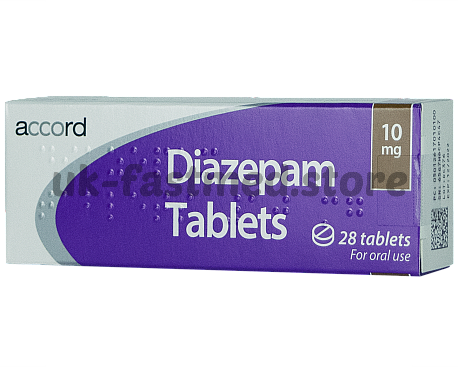
Accord Diazepam 10mg Tablets: Strong Anxiety Relief UK Guide
Accord Diazepam 10mg contains 10mg of diazepam, a benzodiazepine medication used for the short-term relief of severe or disabling anxiety and for conditions including muscle spasm and certain seizure-related disorders. Diazepam enhances the activity of GABA in the central nervous system, producing calming, sedative, muscle-relaxant and anticonvulsant effects.
Diazepam is available in 2mg, 5mg and 10mg tablet strengths in the UK. A 10mg tablet may be prescribed when clinically appropriate, but the suitable dose depends on the condition being treated, individual response, age and other health factors. Diazepam can cause tolerance and dependence, so it should be used at the lowest effective dose for the shortest appropriate period.
What Is Accord Diazepam 10mg Used For?
- Severe Anxiety: Diazepam may be prescribed for the short-term relief of anxiety that is severe, disabling or causing unacceptable distress.
- Anxiety-Related Insomnia: Diazepam may be prescribed when insomnia occurs alongside significant anxiety, although it is not intended as a routine long-term sleeping medication.
- Muscle Spasm: Diazepam has muscle-relaxant properties and may be prescribed for muscle spasms and certain forms of spasticity.
- Certain Seizure Disorders: Diazepam can be used as an adjunct in the management of certain seizure disorders and acute convulsive conditions under medical supervision.
- Alcohol Withdrawal: Diazepam may be prescribed to manage symptoms associated with acute alcohol withdrawal.
How Does Accord Diazepam 10mg Work?
Diazepam belongs to the benzodiazepine class of medications. It enhances the effects of GABA at GABA-A receptors in the central nervous system. GABA reduces excessive nerve activity, so increasing its effects can produce calming and sedative effects while also relaxing skeletal muscle and reducing seizure activity. Diazepam is long acting, meaning its effects can persist after the initial dose. This can be useful for some conditions but can also contribute to drowsiness, impaired concentration and reduced alertness, including effects that may continue into the following day.
How to Take Accord Diazepam 10mg
- Follow Your Prescription: Take diazepam exactly as prescribed by your doctor or pharmacist. Do not increase the dose or take additional tablets without medical advice.
- Anxiety Treatment: UK prescribing information gives an adult dose range of 5mg to 30mg daily in divided doses for anxiety states and related psychiatric conditions. The lowest dose that controls symptoms should be used.
- Muscle Spasm: Adult doses for muscle spasm are commonly within the range of 5mg to 15mg daily in divided doses, depending on the condition and clinical response.
- Anxiety-Related Insomnia: When prescribed for insomnia associated with anxiety, UK product information gives a dose range of 5mg to 15mg before bedtime.
- Administration: Diazepam tablets can be taken with or without food. Swallow the tablet with water and follow the instructions provided with your prescription.
- Older Adults: Older or debilitated people may be more sensitive to benzodiazepines and may require a lower dose.
- Kidney or Liver Problems: Dose reduction or additional caution may be required in people with kidney or liver impairment.
- Treatment Duration: Diazepam for anxiety should be used for the shortest possible period and should not normally continue beyond four weeks without reassessment. Treatment should be gradually tapered rather than stopped abruptly.
Accord Diazepam 10mg Side Effects
Diazepam can cause sedation and reduced alertness, particularly when treatment is started or the dose is increased. These effects can be stronger when diazepam is combined with alcohol or other medicines that cause drowsiness.
- Headache
- Tiredness
- Dizziness
- Confusion
- Drowsiness
- Lightheadedness
- Muscle weakness
- Memory problems
- Reduced alertness
- Poor coordination
- Low blood pressure
- Difficulty concentrating
Diazepam can impair coordination, concentration and driving ability. Combining diazepam with alcohol, opioids or other central nervous system depressants can increase the risk of severe sedation and respiratory depression.
Important Warnings and Precautions
- Dependence and Addiction: Diazepam can cause physical and psychological dependence, particularly when used regularly, at higher doses or for longer than recommended. The risk is greater in people with a history of alcohol or drug dependence.
- Alcohol: Avoid alcohol while taking diazepam. Alcohol can increase sedation and may increase the risk of serious central nervous system depression and breathing difficulties.
- Opioid Medicines: Combining diazepam with opioid painkillers can cause profound sedation, respiratory depression, coma and potentially fatal outcomes. Tell your doctor if you are taking an opioid.
- Other Sedatives: Medicines that cause drowsiness, including sleeping tablets, sedating antihistamines, some antidepressants and antipsychotics, may increase the effects of diazepam.
- Breathing Problems: Diazepam requires particular caution in people with respiratory disorders and may be unsuitable for people with severe breathing problems or sleep apnoea.
- Driving and Alertness: Do not drive or operate machinery if diazepam makes you sleepy, dizzy, less alert or affects your coordination.
- Mental Health Symptoms: Diazepam is not intended as a long-term treatment for chronic anxiety. Unusual changes in mood or behaviour should be discussed with a doctor.
- Pregnancy and Breastfeeding: Diazepam may not be suitable during pregnancy or breastfeeding. Discuss its use with a doctor or pharmacist before taking it during these periods.
Stopping Accord Diazepam 10mg Treatment
Diazepam should not normally be stopped suddenly after regular treatment. Abrupt discontinuation can cause withdrawal symptoms, including increased anxiety, restlessness and sleep disturbance, and in severe cases seizures. A doctor should provide a gradual dose-reduction plan when treatment is stopped.
Frequently Asked Questions
How long does Diazepam 10mg take to work?
Diazepam can produce calming and sedative effects relatively quickly, but the timing varies between individuals and depends on why it has been prescribed. Do not take an additional tablet simply because the expected effect has not occurred immediately.
Is Diazepam 10mg a strong dose?
Diazepam 10mg is the highest of the standard 2mg, 5mg and 10mg tablet strengths. However, whether 10mg is appropriate depends on the condition being treated and the individual’s age, health, other medications and response to treatment. It should only be taken at the dose prescribed by a clinician.
Can Diazepam 10mg make you sleepy?
Yes. Drowsiness, tiredness, dizziness and reduced alertness are recognised effects of diazepam. Because diazepam is long acting, these effects can persist into the following day and may affect driving and activities requiring concentration.
Can I drink alcohol while taking Diazepam 10mg?
No. Alcohol should be avoided because it can significantly increase the sedative effects of diazepam and increase the risk of excessive sedation and breathing difficulties.
How long can I take Diazepam 10mg for anxiety?
Diazepam is intended for short-term treatment of severe anxiety. UK prescribing information states that treatment should not normally continue beyond four weeks without reassessment.
Can I stop taking Diazepam 10mg suddenly?
No. If diazepam has been taken regularly, stopping suddenly can cause withdrawal symptoms and rebound anxiety. Treatment should normally be reduced gradually under medical supervision.