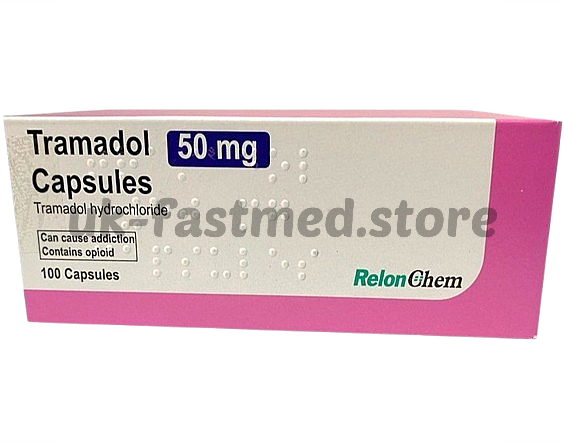
Relonchem Tramadol 50mg Capsules: Strong Pain Relief UK Guide
Relonchem Tramadol 50mg Capsules contain 50mg of tramadol hydrochloride, a centrally acting opioid analgesic used for the treatment of moderate to severe pain. Standard-release tramadol capsules are designed for oral use and generally begin providing pain relief within around 30 to 60 minutes. Treatment should be individually adjusted according to pain intensity, previous response to analgesics and tolerability.
Tramadol works through more than one mechanism. It acts on opioid receptors in the central nervous system while also affecting the reuptake of noradrenaline and serotonin, helping reduce the transmission and perception of pain. As an opioid, tramadol can cause drowsiness, dependence, tolerance and withdrawal, so treatment should be used at the lowest effective dose for the appropriate duration.
What Is Relonchem Tramadol 50mg Used For?
- Moderate to Severe Pain: Tramadol 50mg capsules are indicated for the treatment of moderate to severe pain in adults and adolescents aged 12 years and over, subject to the specific prescribing information for the product.
- Acute Pain: Standard-release tramadol may be prescribed for moderate to severe acute pain, including pain following injury or surgery, when an opioid analgesic is considered appropriate.
- Longer-Term Pain: Some people with severe or persistent pain may require tramadol for longer periods, but ongoing treatment should be regularly reviewed because prolonged opioid use can lead to tolerance, dependence and increased sensitivity to pain.
- Individualised Pain Management: The appropriate dose depends on the severity of pain, individual sensitivity, response to previous painkillers and the occurrence of side effects. The lowest effective dose should generally be used.
How Does Relonchem Tramadol 50mg Work?
Tramadol is a centrally acting opioid analgesic. It binds to opioid receptors, particularly mu-opioid receptors, in the central nervous system and reduces the transmission and perception of pain signals. Tramadol also inhibits the neuronal reuptake of noradrenaline and affects serotonin signalling. These additional actions contribute to its analgesic effect. Standard-release tramadol capsules generally begin working within approximately 30 to 60 minutes, with pain relief typically lasting around 4 to 6 hours.
How to Take Relonchem Tramadol 50mg
- Follow Your Prescription: Take tramadol exactly as prescribed. The dose should be adjusted according to the severity of pain, individual sensitivity, response and tolerability.
- Usual Adult Dosing: For acute pain, UK prescribing information commonly describes an initial dose of 100mg followed by 50mg or 100mg at intervals of 4 to 6 hours when required. The exact regimen must be determined by the prescriber.
- Maximum Daily Dose: The total daily dose should generally not exceed 400mg of tramadol hydrochloride, except in specific clinical circumstances determined by a healthcare professional.
- Administration: Swallow the capsule whole with a glass of water. Standard-release tramadol capsules can generally be taken with or without food.
- Regular Dosing: When tramadol is prescribed regularly, doses should be spaced evenly throughout the day according to the prescribed schedule. Standard-release capsules are commonly taken several times daily when required.
- Older Adults and Organ Problems: People aged 65 or over and those with liver or kidney problems may need different dosing intervals or a lower dose. The prescriber should assess the appropriate regimen for each individual.
- Missed Dose: If you forget a dose, follow the instructions provided with your medication or speak to your pharmacist or doctor. Never take two doses together to compensate for a missed dose.
Relonchem Tramadol 50mg Side Effects
Tramadol can cause side effects affecting the nervous system and digestive system. Common side effects include nausea, vomiting, dizziness, sleepiness, tiredness and headache. These effects may be more noticeable when treatment is started or the dose is increased.
- Nausea
- Vomiting
- Headache
- Sweating
- Dizziness
- Tiredness
- Dry mouth
- Confusion
- Low energy
- Indigestion
- Constipation
- Blurred vision
- Abdominal discomfort
- Sleepiness or drowsiness
- Difficulty concentrating
More serious reactions can occur, including seizures, severe breathing difficulties, significant confusion, hallucinations or serious allergic reactions. Seek urgent medical attention if breathing becomes slow or shallow, a seizure occurs or there are signs of a severe allergic reaction.
Important Warnings and Precautions
- Dependence and Addiction: Tramadol is an opioid and repeated use can result in tolerance, physical dependence, psychological dependence and addiction. Before starting treatment, the benefits and risks of continued opioid treatment should be discussed.
- Respiratory Depression: Taking too much tramadol can cause dangerous respiratory depression. The risk can increase when tramadol is combined with alcohol, sedatives or other medicines that depress the central nervous system.
- Alcohol and Sedatives: Avoid alcohol while taking tramadol because it can increase sleepiness and other central nervous system effects. Particular caution is required with benzodiazepines, other opioids and other sedating medicines.
- Antidepressants and Serotonin Syndrome: Tramadol can interact with serotonergic medicines, including some antidepressants, and may increase the risk of serotonin syndrome. Tell your doctor or pharmacist about all antidepressants and other medicines you take.
- MAOIs: Tramadol should not be taken with monoamine oxidase inhibitors or within the relevant period following MAOI treatment because of potentially serious interactions.
- Seizures: Tramadol can increase the risk of seizures, particularly at higher doses or when combined with medicines that lower the seizure threshold. Tell your doctor if you have epilepsy or a history of seizures.
- Driving and Alertness: Tramadol can cause dizziness, sleepiness, blurred vision and reduced concentration. Do not drive, cycle or operate machinery if you are affected by these symptoms.
- Liver and Kidney Problems: Tell your prescriber if you have liver or kidney disease. Dose or dosing intervals may need to be adjusted depending on the severity of the condition.
- Long-Term Use: Prolonged treatment can lead to tolerance and, in some people, increased sensitivity to pain known as hyperalgesia. Continued treatment should therefore be reviewed regularly.
Stopping Relonchem Tramadol 50mg Treatment
Do not stop tramadol suddenly after regular or prolonged treatment without speaking to your doctor. The body can become dependent on tramadol, and abrupt discontinuation may cause withdrawal symptoms such as agitation, anxiety, shaking and sweating. If treatment is no longer required, the dose is usually reduced gradually under medical supervision.
Frequently Asked Questions
How long does Relonchem Tramadol 50mg take to work?
Standard-release tramadol usually begins relieving pain within around 30 to 60 minutes. The duration of pain relief is commonly around 4 to 6 hours, although individual responses vary.
How much Relonchem Tramadol 50mg can I take?
The appropriate dose depends on the severity of your pain and your individual response. UK prescribing information commonly uses 50mg or 100mg doses at 4 to 6 hourly intervals after an initial dose for acute pain, with a general maximum of 400mg per day unless a specific clinical circumstance requires otherwise. Always follow your own prescription.
Can Relonchem Tramadol 50mg make you sleepy?
Yes. Sleepiness, tiredness and dizziness are common side effects of tramadol. Alcohol and other sedating medicines can increase these effects, so driving and operating machinery should be avoided if you feel affected.
Can I take Tramadol 50mg with other painkillers?
This depends on the other painkiller. Tramadol can interact with other opioids and medicines that affect the central nervous system, while some antidepressants can increase the risk of serotonin-related effects or seizures. Always check combinations with a doctor or pharmacist before taking them together.
Is Relonchem Tramadol 50mg addictive?
Tramadol can cause dependence and addiction, particularly with prolonged use, higher doses or inappropriate use. Your treatment should be reviewed regularly and the lowest effective dose used for the appropriate duration.
Can I stop Relonchem Tramadol 50mg suddenly?
If you have been taking tramadol regularly for more than a few weeks, you should not stop it suddenly without medical advice. A gradual reduction can help minimise withdrawal symptoms.