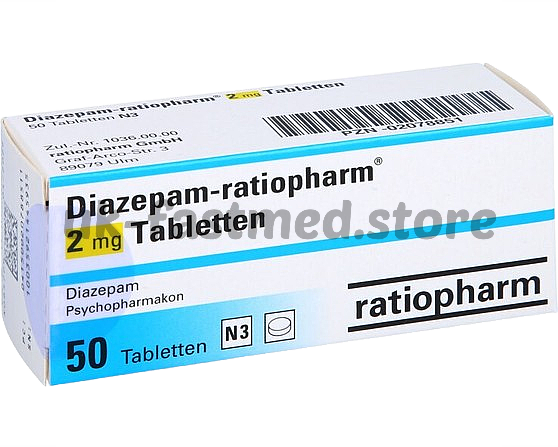
Ratiopharm Diazepam 2mg Tablets: Strong Anxiety Relief UK Guide
Ratiopharm Diazepam 2mg Tablets contain 2mg of diazepam, a benzodiazepine medication used for the short-term relief of severe, disabling or distressing anxiety and for conditions including muscle spasm and certain seizure disorders. Diazepam is available in 2mg, 5mg and 10mg tablet strengths in the UK.
The 2mg strength provides a lower-dose formulation that may be suitable when treatment is initiated, adjusted or prescribed for an individual who requires a smaller dose. Diazepam can cause sedation, impaired alertness and dependence, so it should be used at the lowest effective dose for the shortest appropriate period under medical supervision.
What Is Ratiopharm Diazepam 2mg Used For?
- Severe Anxiety: Diazepam is indicated for the short-term relief of anxiety when symptoms are severe, disabling or causing unacceptable distress.
- Anxiety-Related Insomnia: Diazepam may be prescribed when insomnia occurs alongside significant anxiety. It is not intended as a routine long-term treatment for sleep problems.
- Muscle Spasm: Diazepam has muscle-relaxant properties and may be prescribed for muscle spasms and certain spasticity-related conditions.
- Seizure Disorders: Diazepam can be used as an adjunct in the management of certain types of epilepsy and other seizure-related conditions when specifically prescribed.
- Alcohol Withdrawal: Diazepam may be prescribed for the management of symptoms associated with acute alcohol withdrawal under appropriate medical supervision.
How Does Ratiopharm Diazepam 2mg Work?
Diazepam is a benzodiazepine that enhances the effects of gamma-aminobutyric acid (GABA), an inhibitory neurotransmitter in the central nervous system. This reduces excessive neuronal activity and produces calming, sedative, anticonvulsant and muscle-relaxant effects. Diazepam is readily absorbed after oral administration, with peak plasma concentrations generally reached within approximately 30 to 90 minutes. It is long-acting, and its effects can persist beyond the period when the initial symptoms have improved.
How to Take Ratiopharm Diazepam 2mg Tablets
- Follow Your Prescription: Take diazepam exactly as prescribed. The appropriate dose depends on the condition being treated, your age, other medicines and your individual response.
- Anxiety: The usual adult dose for anxiety is 5mg to 30mg each day in divided doses. The lowest dose that controls symptoms should be used.
- Muscle Spasm: The usual adult dose for muscle spasm is 5mg to 15mg each day in divided doses, although different dosing may apply to specific spasticity-related conditions.
- Anxiety-Related Insomnia: When prescribed for insomnia associated with anxiety, the usual adult dose is 5mg to 15mg before bedtime.
- Administration: Diazepam tablets are taken orally. Follow the instructions supplied with your prescription and do not take additional doses without medical advice.
- Lower Doses: Older or debilitated adults generally require lower doses, often around half the usual adult dose. Dose reduction may also be necessary in people with kidney or liver impairment.
- Short-Term Treatment: Diazepam for anxiety should not normally be continued beyond 4 weeks. Long-term chronic use is not recommended because tolerance, dependence and withdrawal can develop.
- Do Not Stop Suddenly: If diazepam has been taken regularly, treatment should normally be reduced gradually under medical supervision rather than stopped abruptly.
Ratiopharm Diazepam 2mg Side Effects
Diazepam can cause sedation and reduced alertness, particularly when treatment is started or when the dose is increased. Side effects may become more pronounced when diazepam is combined with alcohol, opioids or other medicines that depress the central nervous system.
- Tremor
- Headache
- Tiredness
- Dizziness
- Confusion
- Drowsiness
- Lightheadedness
- Muscle weakness
- Memory problems
- Reduced alertness
- Poor coordination
- Difficulty concentrating
Some people can experience impaired motor ability, balance problems or unusual behavioural reactions. Serious breathing problems can occur, particularly when diazepam is combined with opioids or other central nervous system depressants.
Important Warnings and Precautions
- Dependence and Addiction: Diazepam can cause tolerance, physical dependence and addiction, particularly with higher doses or prolonged treatment. Treatment should therefore be as short as clinically appropriate.
- Alcohol and Sedatives: Avoid alcohol while taking diazepam. Alcohol and other sedating medicines can increase drowsiness and impairment and may increase the risk of serious central nervous system depression.
- Opioids: Combining diazepam with opioid medicines can cause profound sedation, respiratory depression, coma and potentially death. This combination should only be used when specifically prescribed and carefully monitored.
- Breathing Problems: Diazepam is contraindicated in severe respiratory insufficiency and sleep apnoea. Extra caution is required in people with respiratory conditions because benzodiazepines can worsen breathing difficulties.
- Liver and Kidney Problems: Lower doses may be required in people with impaired kidney or liver function. Severe liver impairment is a contraindication because diazepam can accumulate and cause excessive sedation.
- Driving and Alertness: Diazepam can cause drowsiness, dizziness, impaired coordination and reduced concentration. Do not drive or operate machinery if you are affected.
- Mental Health Symptoms: Diazepam should not normally be used alone to treat depression. People with depression, anxiety and depression, or suicidal thoughts require appropriate medical assessment.
- Other Medicines: Tell your doctor or pharmacist about all medicines you take, particularly opioids, sleeping tablets, sedating antihistamines, antidepressants, antipsychotics and other medicines that can cause drowsiness.
Stopping Ratiopharm Diazepam 2mg Treatment
Diazepam should not normally be stopped suddenly after regular treatment. Abrupt discontinuation can cause withdrawal symptoms such as increased anxiety, restlessness, sweating, tremor, sleep disturbance and other physical or psychological symptoms. In severe cases, withdrawal can include confusion, hallucinations or seizures. The dose should therefore be reduced gradually according to an individual tapering plan.
Frequently Asked Questions
Does Ratiopharm Diazepam 2mg make you sleepy?
Yes. Drowsiness and tiredness are common effects of diazepam, and some people may also experience reduced alertness, dizziness or impaired coordination. These effects can be stronger when diazepam is combined with alcohol or other sedating medicines.
How long does Diazepam 2mg take to work?
Diazepam is absorbed relatively quickly after oral administration, with peak blood concentrations generally reached within about 30 to 90 minutes. The clinical effect can vary according to the individual, dose and condition being treated.
Is Diazepam 2mg a strong dose?
Diazepam 2mg is the lowest of the commonly available UK tablet strengths of 2mg, 5mg and 10mg. The appropriate dose depends on the condition being treated and individual factors, so even a 2mg dose should only be taken as prescribed.
Can I drink alcohol while taking Diazepam 2mg?
Alcohol should be avoided while taking diazepam because it can increase sedation and impairment. Combining diazepam with other central nervous system depressants can also increase the risk of serious adverse effects.
How long can I take Diazepam 2mg for anxiety?
Diazepam is intended for short-term treatment of severe anxiety. UK product information states that treatment for anxiety should not normally continue beyond 4 weeks, and long-term chronic use is not recommended.
Can I stop taking Diazepam 2mg suddenly?
No. Regular diazepam treatment should normally be reduced gradually under medical supervision. Stopping suddenly can cause withdrawal symptoms and rebound anxiety, with more serious withdrawal reactions possible after prolonged or higher-dose treatment.